
家 > ニュース > As of now, there is no publicly confirmed information indicating that "Remedy Entertainment" has officially admitted to disappointing players with Alan Wake 2: The Writer's Cut (commonly referred to as "Break Disappoints" in informal discussions). However, if you're referring to fan reactions or media coverage around Alan Wake 2 (2023) and its DLC, The Writer’s Cut (released in 2024), there has been a notable amount of discussion in gaming communities about how the DLC did not fully deliver on expectations for many players. Some fans expressed disappointment due to: The DLC being shorter than expected. The story being perceived as less impactful compared to the main game. Some narrative elements not fully resolving lingering questions. A sense that the DLC felt more like a postscript than a major expansion. Remedy Entertainment has acknowledged fan feedback and has engaged with the community, emphasizing their commitment to the Alan Wake universe and hinting at future stories. However, they have not officially admitted to "disappointing" fans in a direct statement. In summary: Remedy Entertainment has not officially admitted to disappointing players with The Writer’s Cut. While fan reactions have been mixed, the studio continues to support the franchise and has expressed appreciation for player engagement. If you're referring to a specific quote, tweet, or interview, feel free to share more context for a more accurate interpretation.
As of now, there is no publicly confirmed information indicating that "Remedy Entertainment" has officially admitted to disappointing players with Alan Wake 2: The Writer's Cut (commonly referred to as "Break Disappoints" in informal discussions). However, if you're referring to fan reactions or media coverage around Alan Wake 2 (2023) and its DLC, The Writer’s Cut (released in 2024), there has been a notable amount of discussion in gaming communities about how the DLC did not fully deliver on expectations for many players. Some fans expressed disappointment due to: The DLC being shorter than expected. The story being perceived as less impactful compared to the main game. Some narrative elements not fully resolving lingering questions. A sense that the DLC felt more like a postscript than a major expansion. Remedy Entertainment has acknowledged fan feedback and has engaged with the community, emphasizing their commitment to the Alan Wake universe and hinting at future stories. However, they have not officially admitted to "disappointing" fans in a direct statement. In summary: Remedy Entertainment has not officially admitted to disappointing players with The Writer’s Cut. While fan reactions have been mixed, the studio continues to support the franchise and has expressed appreciation for player engagement. If you're referring to a specific quote, tweet, or interview, feel free to share more context for a more accurate interpretation.
Remedy Entertainment's foray into the co-op shooter genre with FBC: Firebreak has been a tale of ambition, technical achievement, and mixed commercial results — a narrative that underscores the challenges of launching a new IP, even from a studio with Control’s pedigree.
While the game has successfully surpassed 1 million players, a milestone in itself, the commercial underperformance on PC — the platform Remedy had positioned as the primary launch channel — reveals a deeper story. The bulk of its player base has come not from direct purchases, but from console subscription services: Xbox Game Pass and PlayStation Plus. This reality, while financially beneficial through long-term licensing deals, raises concerns about organic market traction and consumer perception.
The root of the early struggles lies in game design and onboarding. According to Remedy’s investor update, the initial mission structure and player onboarding led to high early churn and a flood of negative reviews. This early friction, though not uncommon in ambitious new titles, hit a nerve — especially for a studio known for its narrative depth and polished gameplay. The fact that sentiment improved over time, particularly after updates, suggests the game’s core mechanics and world-building have strong legs. But first impressions, particularly on Steam, can be lasting.
Remedy’s admission that "not everything went according to plan" reflects a rare public humility from a studio long associated with artistic and technical excellence. That they’ve since committed to significant adjustments, including a major late-September update, signals a pivot from reactive to proactive. This isn’t just a patch — it’s a renewal strategy, aimed at re-engaging players and rebuilding trust.
The game’s visuals and co-op framework are widely praised — it is a technically impressive title, and the team clearly poured heart into its aesthetic and world design. But as IGN noted in their 6/10 review, Firebreak "lacks the depth for long-term engagement." That’s a critical flaw in today’s live-service-heavy market, where retention and progression systems are expected.
Still, the fact that Remedy remains dedicated to ongoing development — and that Control 2 and the Max Payne remake are progressing smoothly — offers a sense of stability. The studio isn’t abandoning its ambitions.
Looking ahead:
- The September update will be a make-or-break moment. If it revitalizes gameplay, deepens progression, and better supports community-driven content, Firebreak could evolve from a troubled launch into a cult favorite.
- Remedy must now prove it can learn from this experience — not just fix the game, but refine its launch strategy, player communication, and long-term monetization.
- The $580,000 Q2 loss (a massive improvement from $3.7M the year prior) hints at caution in spending, but also pressure to deliver profitable IPs.
In short: FBC: Firebreak may not have launched with a bang, but Remedy isn’t giving up. With a clear path forward, player trust, and creative ambition still intact, the game’s story isn’t over — it’s just beginning.









-
1
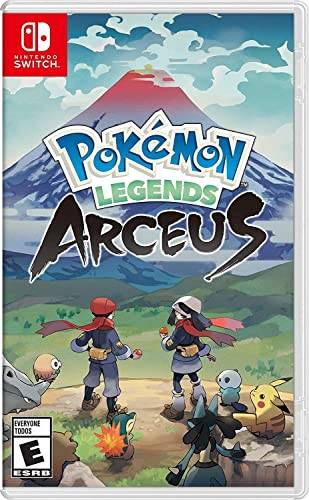
2025年のニンテンドースイッチのすべてのポケモンゲーム
Feb 25,2025
-
2
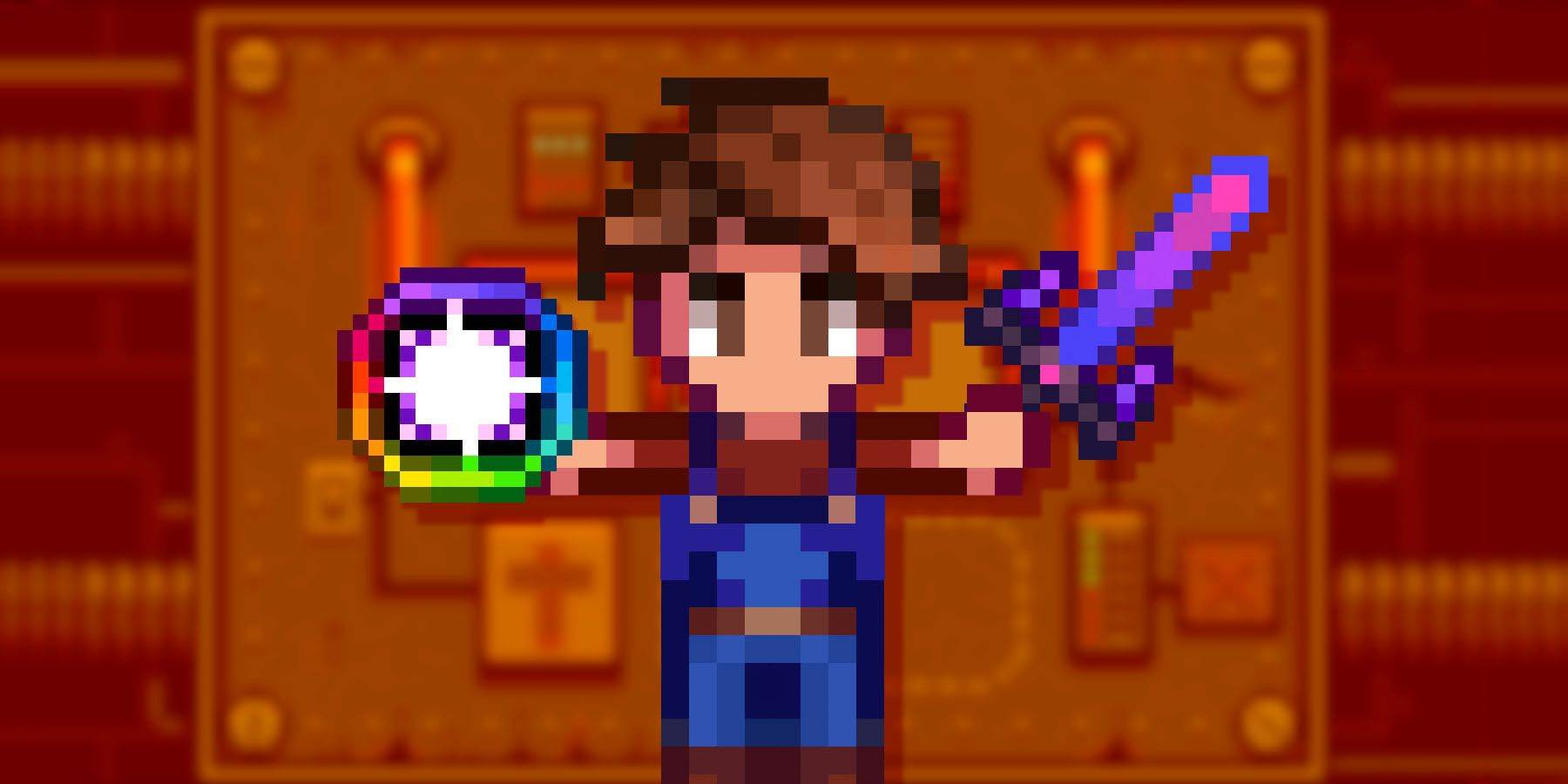
Stardew Valley:エンチャントと武器の鍛造の完全なガイド
Mar 17,2025
-
3
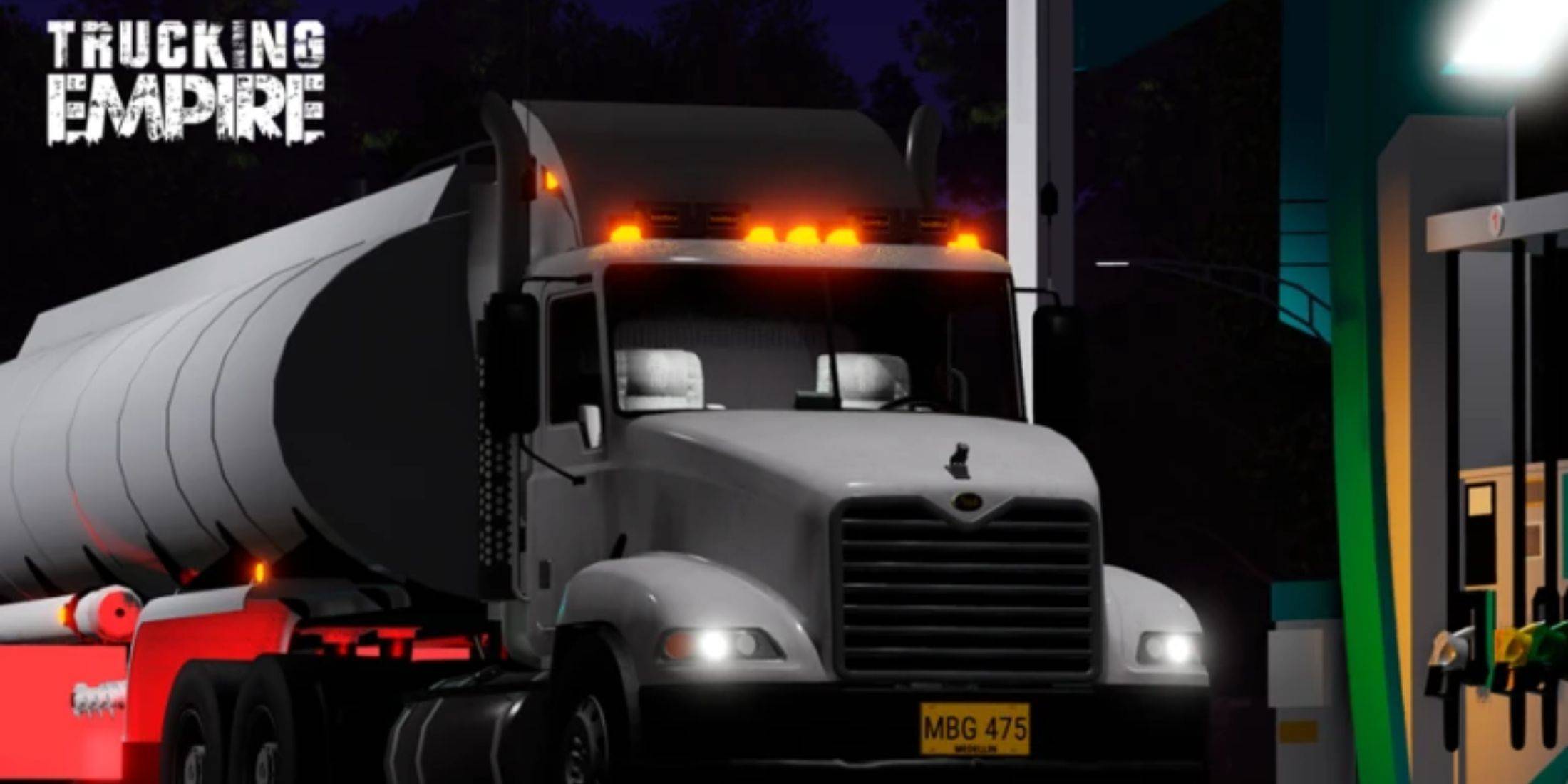
Roblox:Trucking Empire Codes(2025年1月)
Mar 05,2025
-
4
![Anime Vanguardsティアリスト - 各ゲームモードに最適なユニット[更新3.0]](https://images.gzztb.com/uploads/35/17376012656791b0f12fa1c.jpg)
Anime Vanguardsティアリスト - 各ゲームモードに最適なユニット[更新3.0]
Feb 27,2025
-
5
Ragnarok X:Next Gen -Complete Enchantment Guide
May 25,2025
-
6
大ヒット MMORPG Ragnarok Online からのカジュアルな戦闘スピンオフ、Poring Rush がリリースされました
Dec 30,2024
-
7
NVIDIA RTX 5090仕様リーク:噂が確認されましたか?
Mar 14,2025
-
8
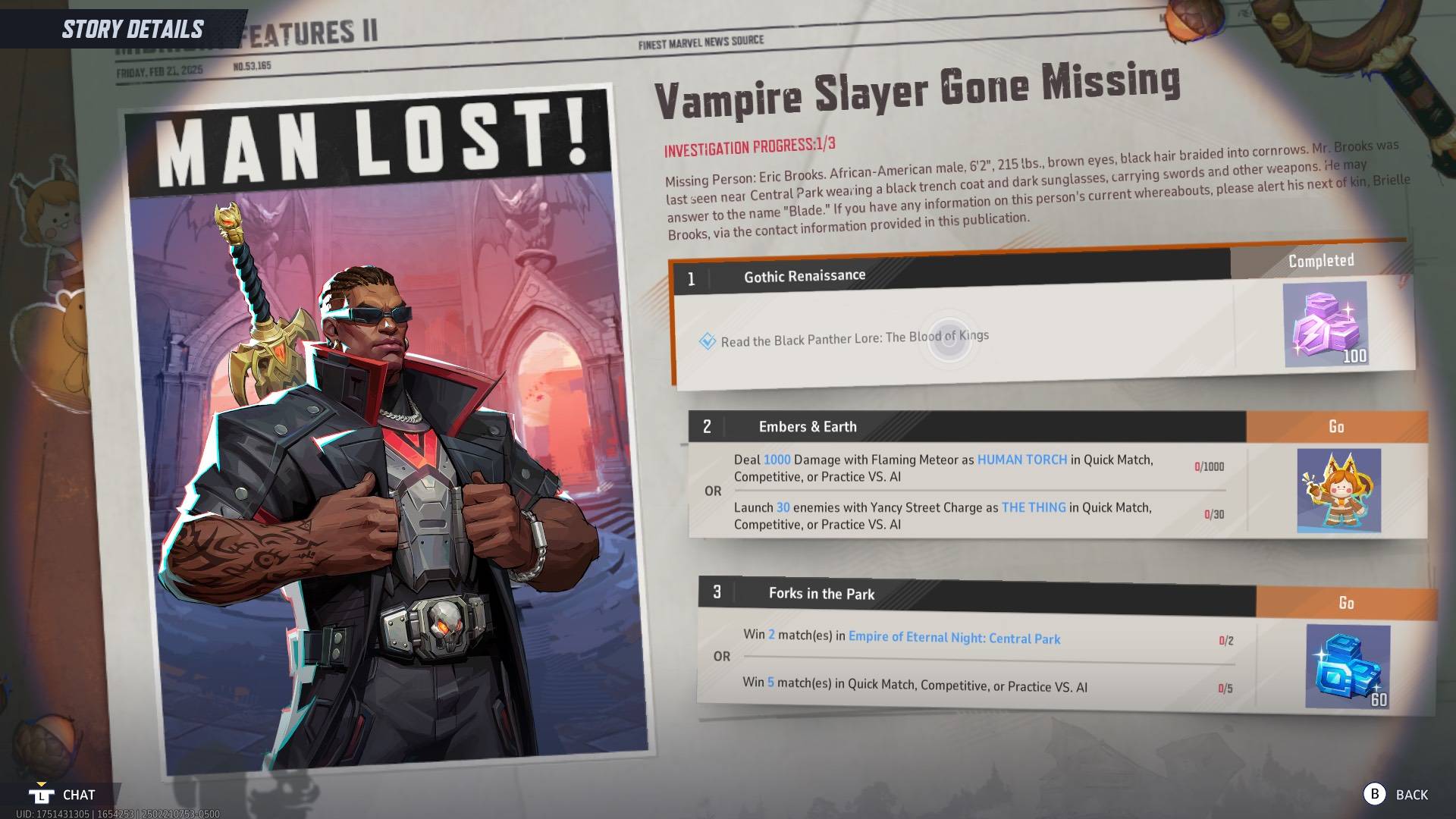
ブラックパンサーの伝承の読み方:マーベルライバルの王の血
Mar 01,2025
-
9
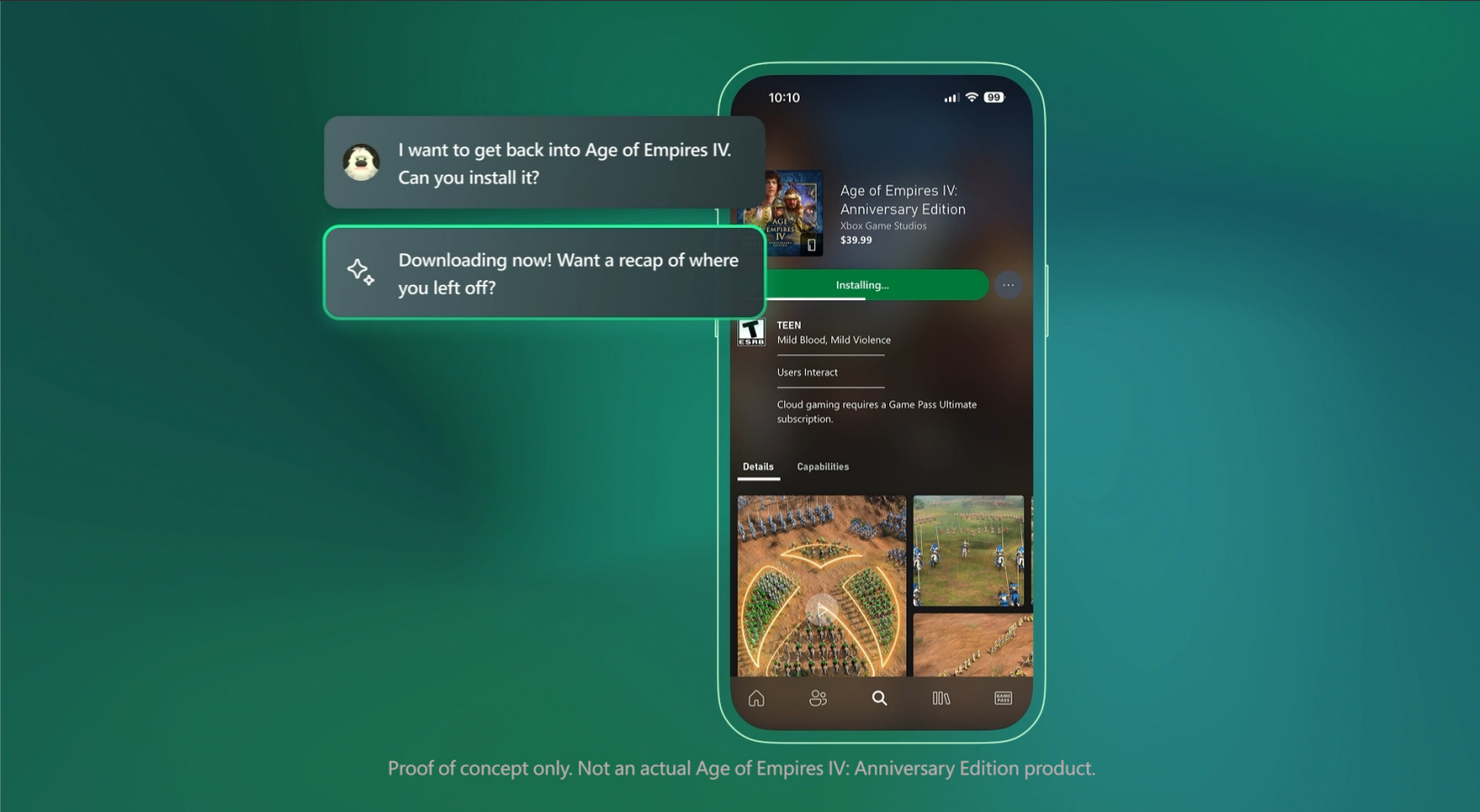
Copilot AIをXboxアプリとゲームに統合するマイクロソフト
May 21,2025
-
10

マクラーレンが PUBG Mobile コラボレーションに戻る
Aug 27,2024
-
ダウンロード

The Golden Boy
カジュアル / 229.00M
アップデート: Dec 17,2024
-
ダウンロード
Niramare Quest
カジュアル / 626.43M
アップデート: Feb 21,2023
-
ダウンロード
POW
カジュアル / 38.00M
アップデート: Dec 19,2024
-
4
Mother's Lesson : Mitsuko
-
5
Gamer Struggles
-
6
How To Raise A Happy Neet
-
7
Poly Pantheon Chapter One V 1.2
-
8
Dictator – Rule the World
-
9
Strobe
-
10
Livetopia: Party