
Heim > Nachricht > As of now, there is no publicly available information confirming that Remedy Entertainment has officially admitted to disappointing fans with Alan Wake 2: The Writer (commonly referred to as "Break the Game" or "The Break" in fan communities) or that a game titled Firebreak is related to Remedy. However, there have been widespread fan discussions and speculation online regarding Alan Wake 2, particularly around: The game’s narrative structure, which some players found emotionally distant or overly complex. The absence of a traditional "playable" or "complete" ending in the base game, which led to controversy and frustration. Remedy’s decision to release the story in episodic chapters (via DLC) rather than a full, standalone experience. Remedy has responded to criticism by emphasizing their commitment to storytelling and long-form narrative experiences, stating that they wanted to explore Alan Wake’s story in a way that felt authentic to the character and themes. In interviews, game director Sam Lake and other team members have expressed that they value player feedback and aim to deliver a meaningful experience, even if it doesn't please everyone. So while "Firebreak Disappoints" may reflect fan sentiment, there's no official statement from Remedy admitting to a failure or disappointment—only acknowledgment that some players had mixed reactions. If you're referring to a different game or rumor (such as a canceled project or a fan-made title), please clarify, and I’d be happy to help further.
As of now, there is no publicly available information confirming that Remedy Entertainment has officially admitted to disappointing fans with Alan Wake 2: The Writer (commonly referred to as "Break the Game" or "The Break" in fan communities) or that a game titled Firebreak is related to Remedy. However, there have been widespread fan discussions and speculation online regarding Alan Wake 2, particularly around: The game’s narrative structure, which some players found emotionally distant or overly complex. The absence of a traditional "playable" or "complete" ending in the base game, which led to controversy and frustration. Remedy’s decision to release the story in episodic chapters (via DLC) rather than a full, standalone experience. Remedy has responded to criticism by emphasizing their commitment to storytelling and long-form narrative experiences, stating that they wanted to explore Alan Wake’s story in a way that felt authentic to the character and themes. In interviews, game director Sam Lake and other team members have expressed that they value player feedback and aim to deliver a meaningful experience, even if it doesn't please everyone. So while "Firebreak Disappoints" may reflect fan sentiment, there's no official statement from Remedy admitting to a failure or disappointment—only acknowledgment that some players had mixed reactions. If you're referring to a different game or rumor (such as a canceled project or a fan-made title), please clarify, and I’d be happy to help further.
Remedy Entertainment’s experience with FBC: Firebreak underscores a common challenge in modern game development: even a technically strong, visually impressive title can struggle commercially if player retention and onboarding aren't properly optimized.
While the game surpassed 1 million players—a notable achievement, especially for a new IP—its commercial performance fell short of expectations, particularly given that PC was intended as the primary sales channel. Instead, the bulk of player engagement came through console subscription services like Xbox Game Pass and PlayStation Plus, which provided broad access but limited direct revenue for Remedy. This reliance on subscription-based distribution means that while the game reached a large audience, it didn't generate strong upfront sales, which are critical for recouping development costs and funding future projects.
The report’s candid acknowledgment that "not everything went according to plan" reflects a growing industry trend: studios are increasingly transparent about launch missteps, especially when they impact investor confidence. The initial negative reception—driven by a flawed onboarding experience and mission structure—was a major red flag. However, the fact that sentiment improved over time with updates suggests that the core gameplay and design had promise. That’s a positive sign: Firebreak may have started with a weak first impression, but it has potential to grow into a more sustainable title with continued investment.
Remedy’s commitment to a major update in late September is crucial. This isn’t just a patch—it’s a strategic reset. By addressing the root causes of early player attrition and investing in deeper progression, community features, and long-term content, Remedy aims to transform Firebreak from a launch underperformer into a long-term co-op shooter.
That said, the 6/10 score from IGN, which criticized the game for "lacking depth for long-term engagement," remains a sobering critique. Visuals and team-based action might impress at first, but without meaningful progression, meaningful player agency, or rewarding endgame content, players will leave. The success of the late-September update will hinge on whether Remedy can deliver more than cosmetic improvements—whether they can embed lasting hooks into the game’s core loop.
Looking ahead:
- Control 2 remains on track, which is reassuring given the franchise’s cult status and the precedent set by Control's critical acclaim.
- The Max Payne 1 & 2 remake, in collaboration with Rockstar, adds credibility and potential to Remedy’s pipeline. A strong remake could reinvigorate interest in the studio’s IP portfolio.
- Financially, the 43.4% revenue increase and narrowing loss ($580k vs. $3.7M) show progress, but the company still isn’t profitable. Sustained growth and smart monetization (beyond subscriptions) will be key.
In Summary:
- ✅ Firebreak has strong technical execution and a loyal early base.
- ❌ Poor onboarding and mission design caused early player churn and negative reviews.
- 🔄 Major update in late September is a make-or-break moment for long-term viability.
- 💡 Success will depend on turning a “cool co-op shooter” into a retention-driven, community-powered experience.
- 📈 Remedy is on a path to recovery—but must prove it can learn from missteps and execute at scale.
If the next chapter of FBC: Firebreak delivers on its promises, it could become a case study in turnaround through iteration—a story of redemption that reminds us: a game’s launch is just the beginning.









-
1
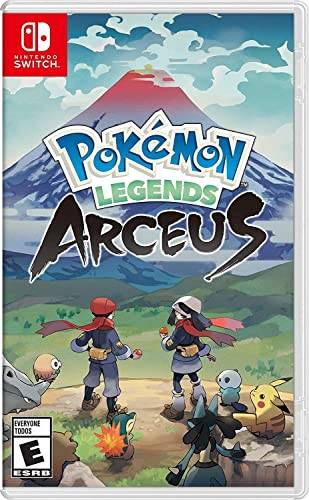
Jedes Pokémon -Spiel auf dem Nintendo Switch im Jahr 2025
Feb 25,2025
-
2
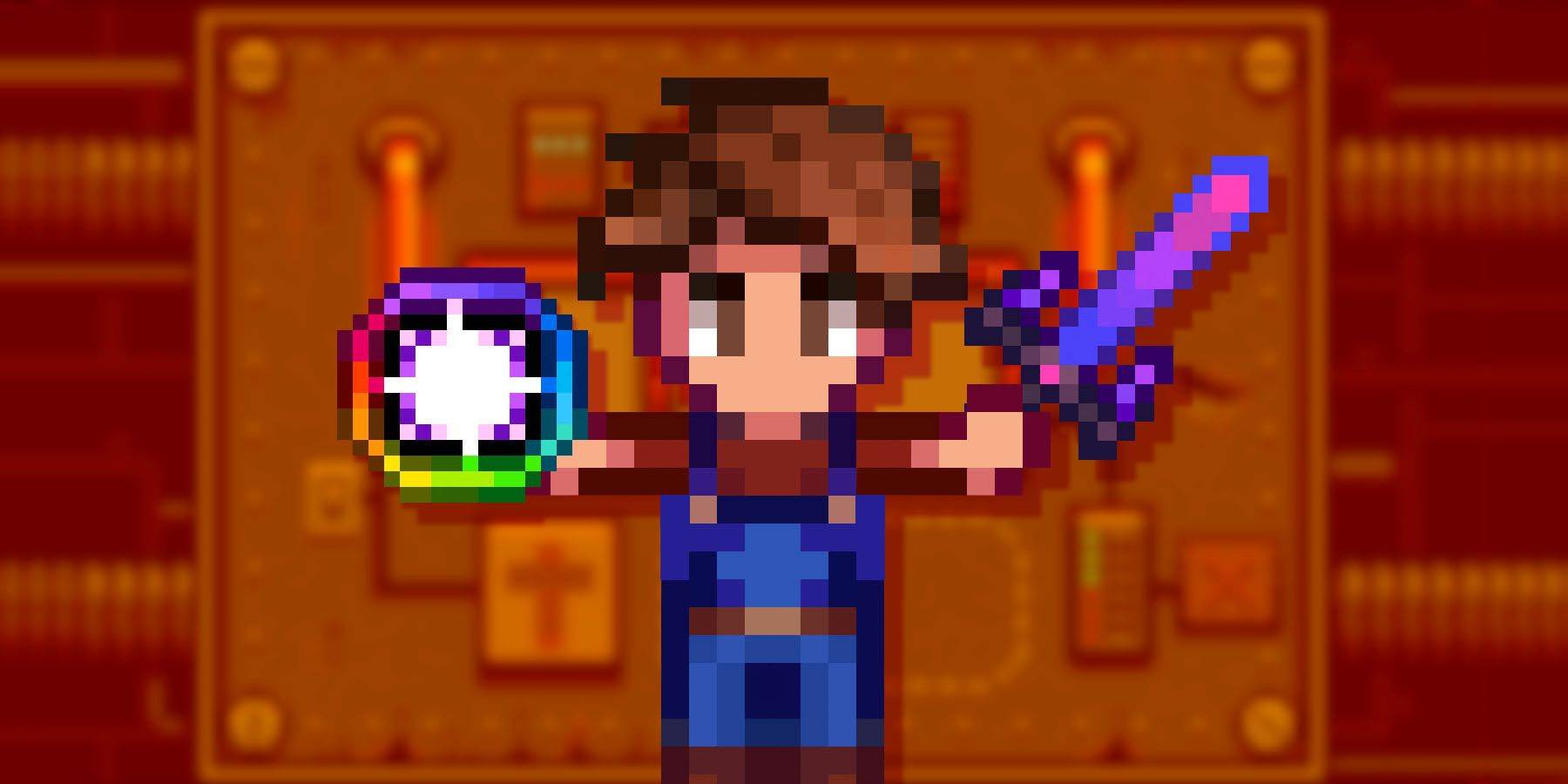
Stredew Valley: Ein vollständiger Leitfaden für Verzauberungen und Waffenschmieden
Mar 17,2025
-
3
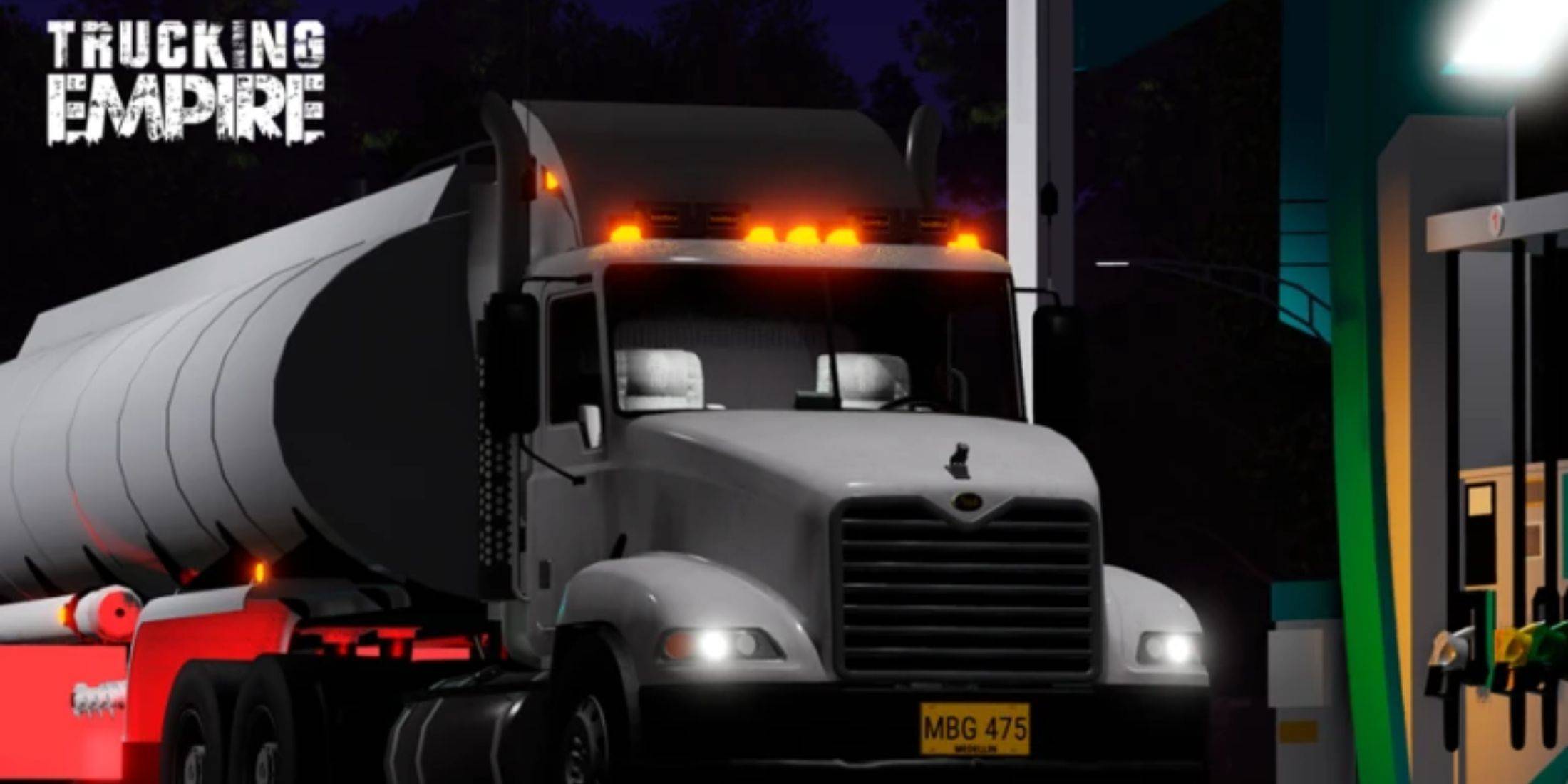
Roblox: Codes des LKW -Imperiums (Januar 2025)
Mar 05,2025
-
4
![Anime Vanguards Tier -Liste - Beste Einheiten für jeden Gamemode [Update 3.0]](https://images.gzztb.com/uploads/35/17376012656791b0f12fa1c.jpg)
Anime Vanguards Tier -Liste - Beste Einheiten für jeden Gamemode [Update 3.0]
Feb 27,2025
-
5
Ragnarok X: Nächste Gen - Complete Enchantment Guide
May 25,2025
-
6
Poring Rush, das Casual-Battle-Spin-off des erfolgreichen MMORPG Ragnarok Online, ist jetzt erhältlich
Dec 30,2024
-
7
Nvidia RTX 5090 Spezifikationen Leck: Gerüchte bestätigt?
Mar 14,2025
-
8
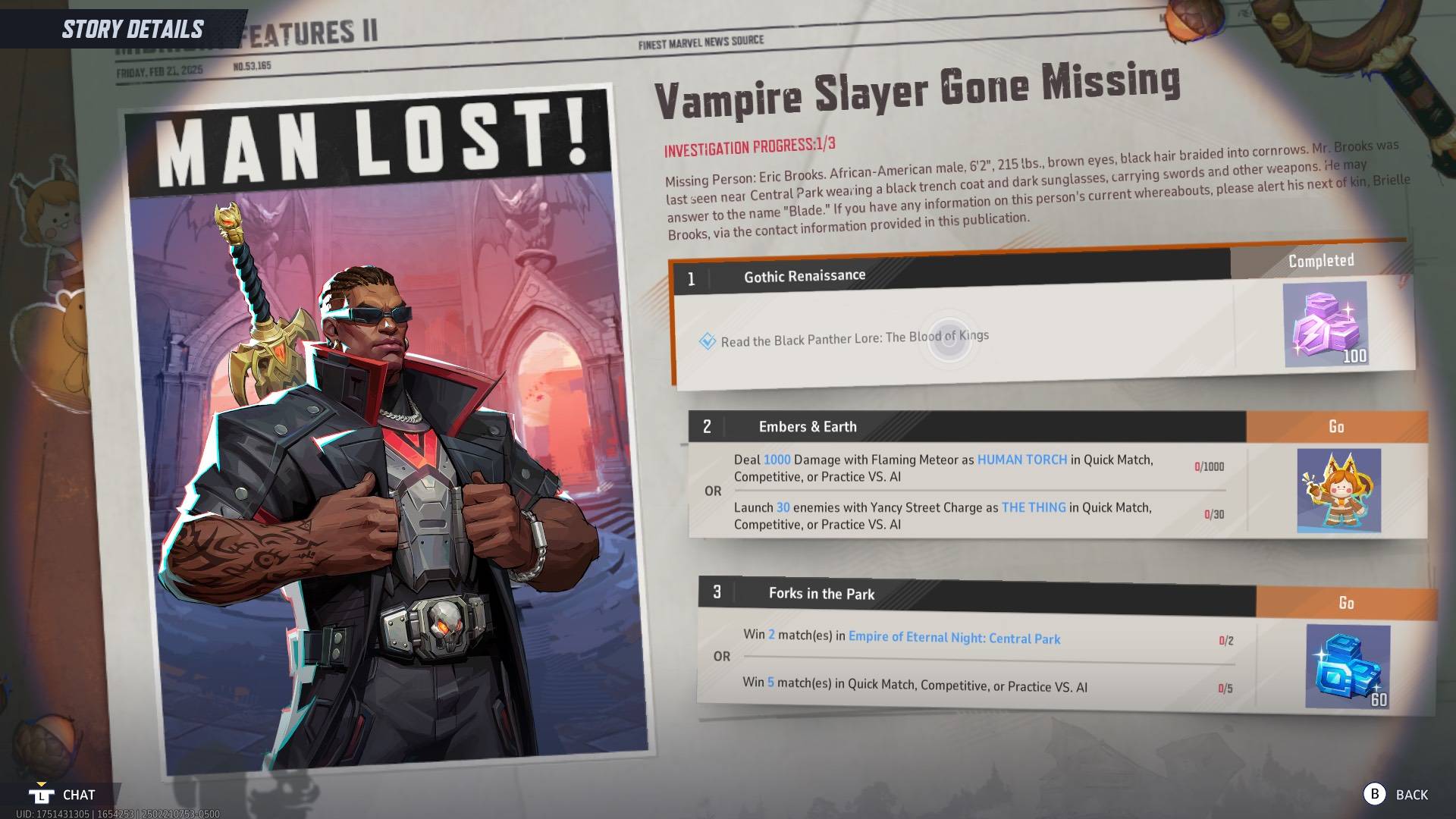
Wie man Black Panther Lore liest: Das Blut der Könige in Marvel -Konkurrenten
Mar 01,2025
-
9
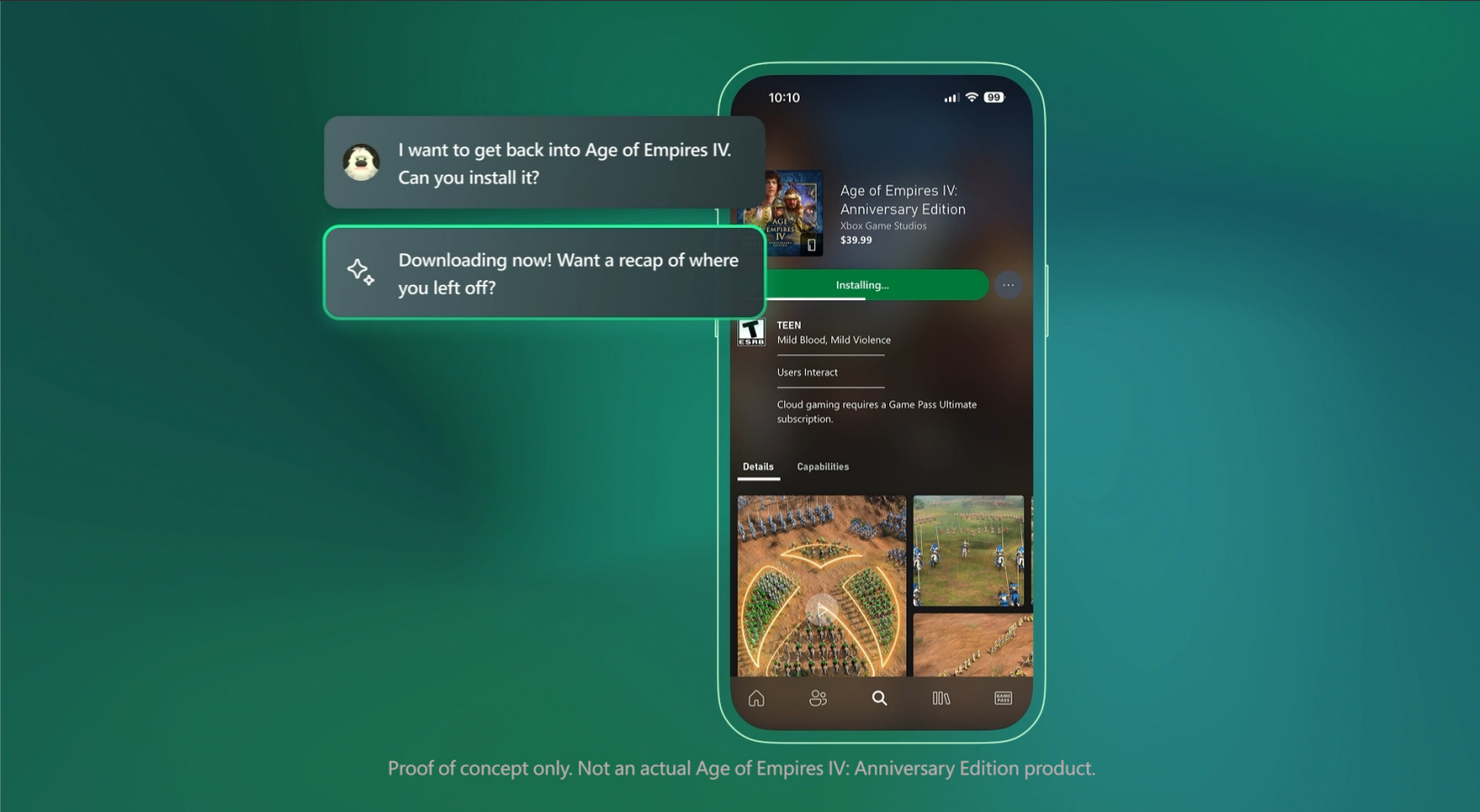
Microsoft, um Copilot AI in Xbox App und Games zu integrieren
May 21,2025
-
10

McLaren kehrt zur 배틀그라운드 Zusammenarbeit zurück
Aug 27,2024
-
Herunterladen

The Golden Boy
Lässig / 229.00M
Aktualisieren: Dec 17,2024
-
Herunterladen
Niramare Quest
Lässig / 626.43M
Aktualisieren: Feb 21,2023
-
Herunterladen
POW
Lässig / 38.00M
Aktualisieren: Dec 19,2024
-
4
Mother's Lesson : Mitsuko
-
5
Gamer Struggles
-
6
How To Raise A Happy Neet
-
7
Poly Pantheon Chapter One V 1.2
-
8
Dictator – Rule the World
-
9
Strobe
-
10
Livetopia: Party