
Frank Miller Revives Daredevil: Born Again
With their most legendary storylines in full force, the mid-1980s became a golden era for Marvel - both creatively and commercially. Having recovered from financial struggles in the late 1970s (courtesy of Star Wars), the House of Ideas was poised to revolutionize comics with 1984's Secret Wars, bringing changes that would impact the industry forever. While the full consequences were countless, this seismic event redirected Marvel's heroes and villains in bold new directions for years to come.
Other defining stories from this era included Frank Miller's Born Again in Daredevil, Jean Grey's resurrection in X-Factor, Walt Simonson's Surtur Saga in Thor, and more. Today, we explore these pivotal narratives in Part 8 of our Marvel essential issues series.
More Essential Marvel
- 1961-1963 - The Birth of a Universe
- 1964-1965 - The Sentinels Are Born and Cap Dethaws
- 1966-1969 - How Galactus Changed Marvel Forever
- 1970-1973 - The Night Gwen Stacy Died
- 1974-1976 - The Punisher Begins His War on Crime
- 1977-1979 - Star Wars Saves Marvel From Bankruptcy
- 1980-1982 - Did the Dark Phoenix Saga Usher in Marvel's Golden Decade?
Frank Miller's Born Again and Walt Simonson's Surtur Saga
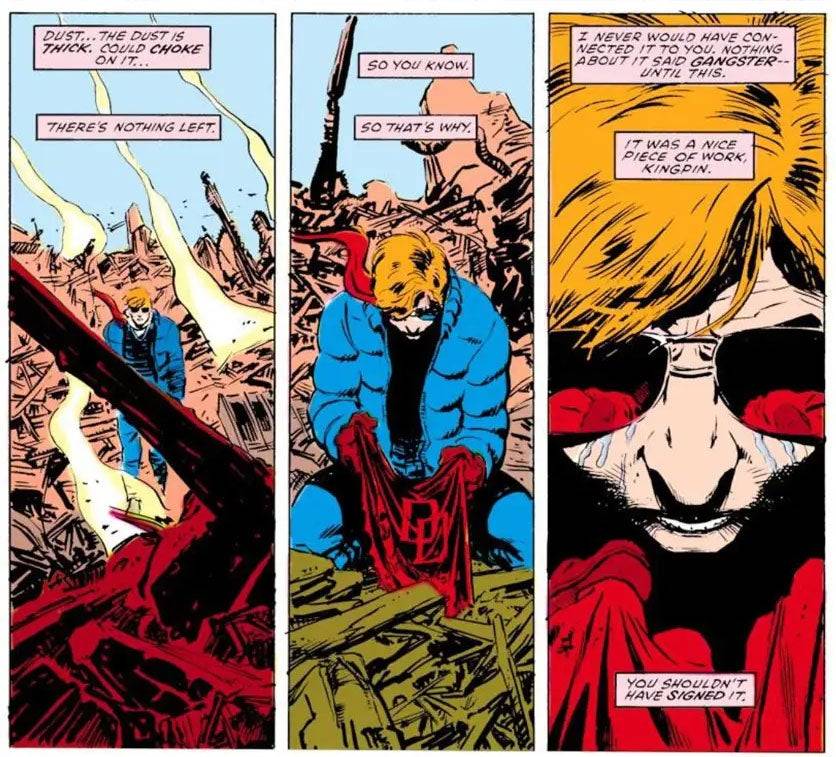
Standout stories from this era include Born Again, marking Frank Miller's celebrated return to Daredevil (with David Mazzuchelli's artwork). Spanning Daredevil #227-233, this arc becomes a strong contender for Daredevil's greatest story. A heroin-addicted Karen Page sells Matt Murdock's identity, which Kingpin uses to systematically destroy his life. Stripped of everything, Matt hits rock bottom before being found by his mother, Sister Maggie.
Murdock's gradual return as Daredevil, countered by Kingpin's obsessive vendetta, creates a storytelling masterpiece. This narrative loosely inspired Netflix's Daredevil Season 3 and Disney+'s upcoming Daredevil: Born Again series.
Meanwhile, Walt Simonson established himself as Thor's definitive creative force starting with 1983's #337 (introducing Beta Ray Bill). His Surtur Saga (#340-353) restored Thor's mythic grandeur, pitting the God of Thunder against fire demon Surtur's quest to trigger Ragnarok. Elements influenced both Thor: The Dark World and Thor: Ragnarok films.
Secret Wars Changes Comics Forever
While 1973's Avengers/Defenders War previewed crossover events, 1984's Secret Wars (by Jim Shooter, Mike Zeck and Bob Layton) cemented them as publishing staples. Born from a Mattel toy deal, this 12-issue series featured Beyonder transporting Marvel's heroes and villains to Battleworld for cosmic combat. Though criticized for characterization issues, its commercial success led to Secret Wars II and established the event-driven model adopted by Marvel and DC for decades.
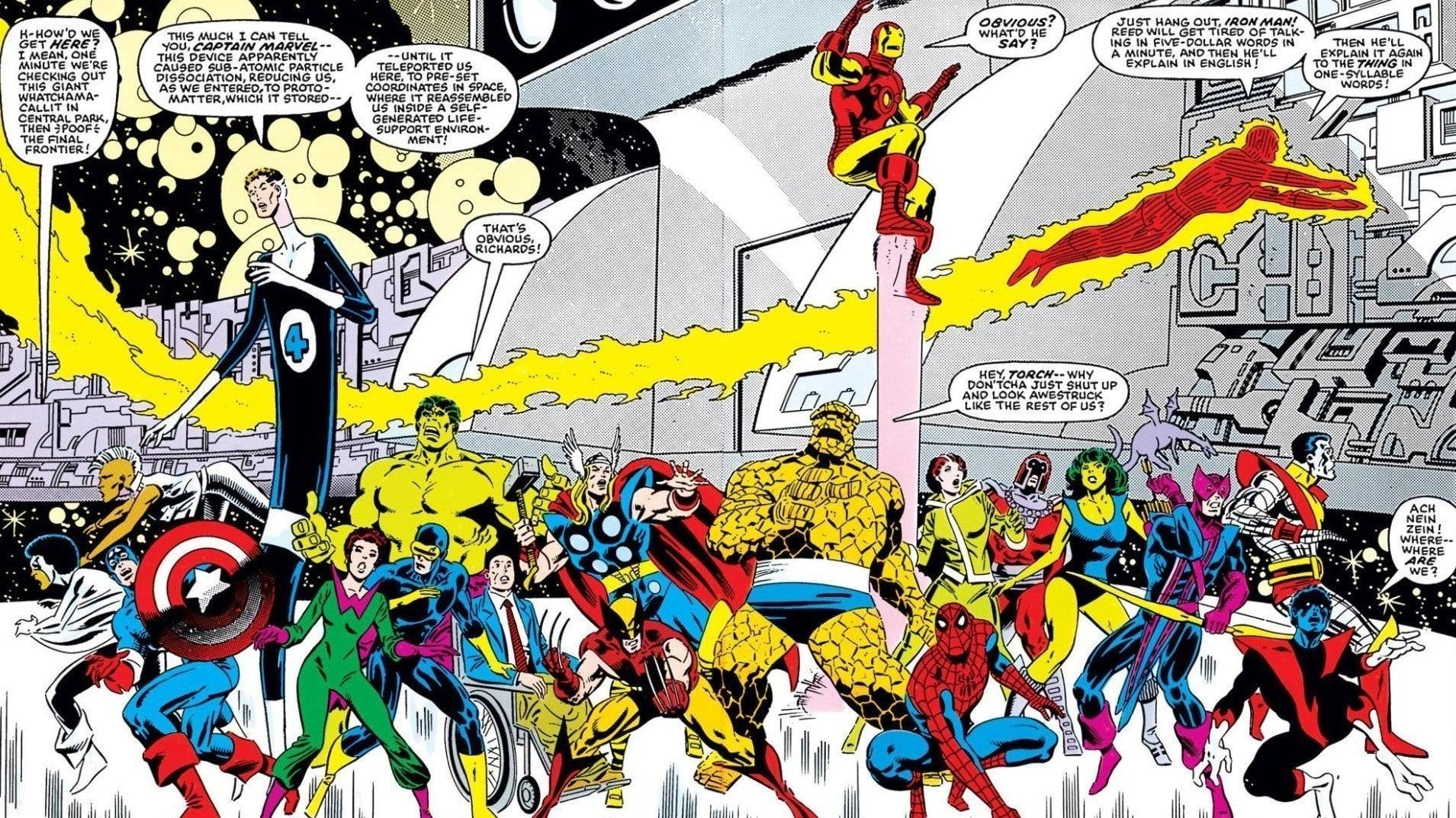
Jonathan Hickman's 2015 Secret Wars delivered a more satisfying execution, though the original's industry impact remains undeniable.
Spider-Man's Symbiote Suit and Other Iconic Spidey Stories
Roger Stern's Amazing Spider-Man run (#224-251) introduced Hobgoblin in #238, creating one of Spidey's most dangerous foes. Though editorial conflicts cut Stern's planned reveal short, he later concluded the story in 1997's Spider-Man: Hobgoblin Lives.
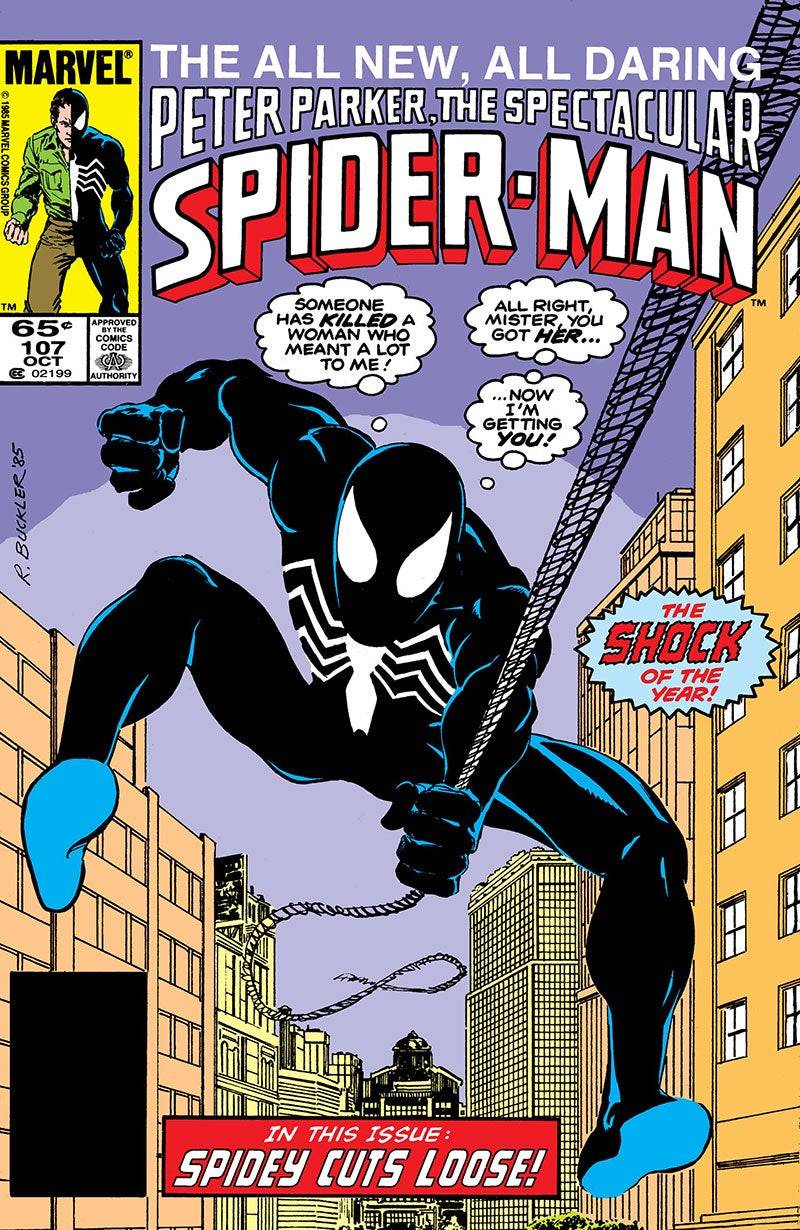
Amazing #252 debuted Spider-Man's black symbiote costume (later revealed as alien in Secret Wars #8), launching the Venom saga adapted in various media. Meanwhile, Spectacular Spider-Man #107-110 (Peter David/Rich Buckler) delivered the dark Death of Jean DeWolff story, pitting Spidey against Sin-Eater and creating tension with Daredevil.
Jean Grey Returns, the Rise of Apocalypse, and Other Mutant Landmarks
X-Men milestones included:
- Magneto revealed as Quicksilver and Scarlet Witch's father (Vision and the Scarlet Witch #4)
- Rogue's defection to X-Men (#171)
- Magneto's redemption and appointment as Xavier's successor (#200)
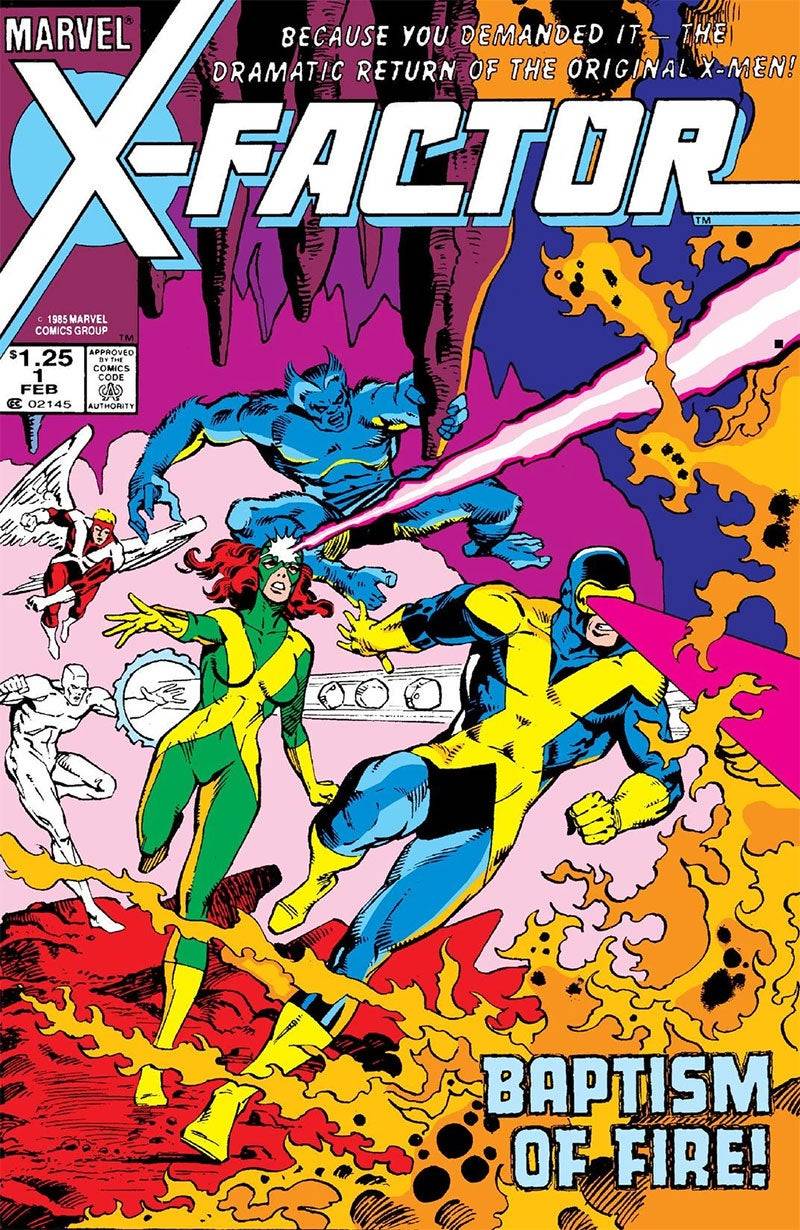
Most significantly, Jean Grey returned (Avengers #263, Fantastic Four #286) with no Phoenix memories, rejoining original X-Men as X-Factor. X-Factor #5-6 introduced Apocalypse - the ancient mutant-Celestial hybrid who became a franchise cornerstone, later appearing in X-Men: Apocalypse (2016).













-
1

Every Pokémon Game on the Nintendo Switch in 2025
Feb 25,2025
-
2
Stardew Valley: A Complete Guide To Enchantments & Weapon Forging
Mar 17,2025
-
3
![Anime Vanguards Tier List – Best Units For Each Gamemode [UPDATE 3.0]](https://images.gzztb.com/uploads/35/17376012656791b0f12fa1c.jpg)
Anime Vanguards Tier List – Best Units For Each Gamemode [UPDATE 3.0]
Feb 27,2025
-
4
Ragnarok X: Next Gen - Complete Enchantment Guide
May 25,2025
-
5

Poring Rush, the casual battling spin-off from hit MMORPG Ragnarok Online, is out now
Dec 30,2024
-
6

Roblox: Trucking Empire Codes (January 2025)
Mar 05,2025
-
7
Nvidia RTX 5090 Specs Leak: Rumor Confirmed?
Mar 14,2025
-
8
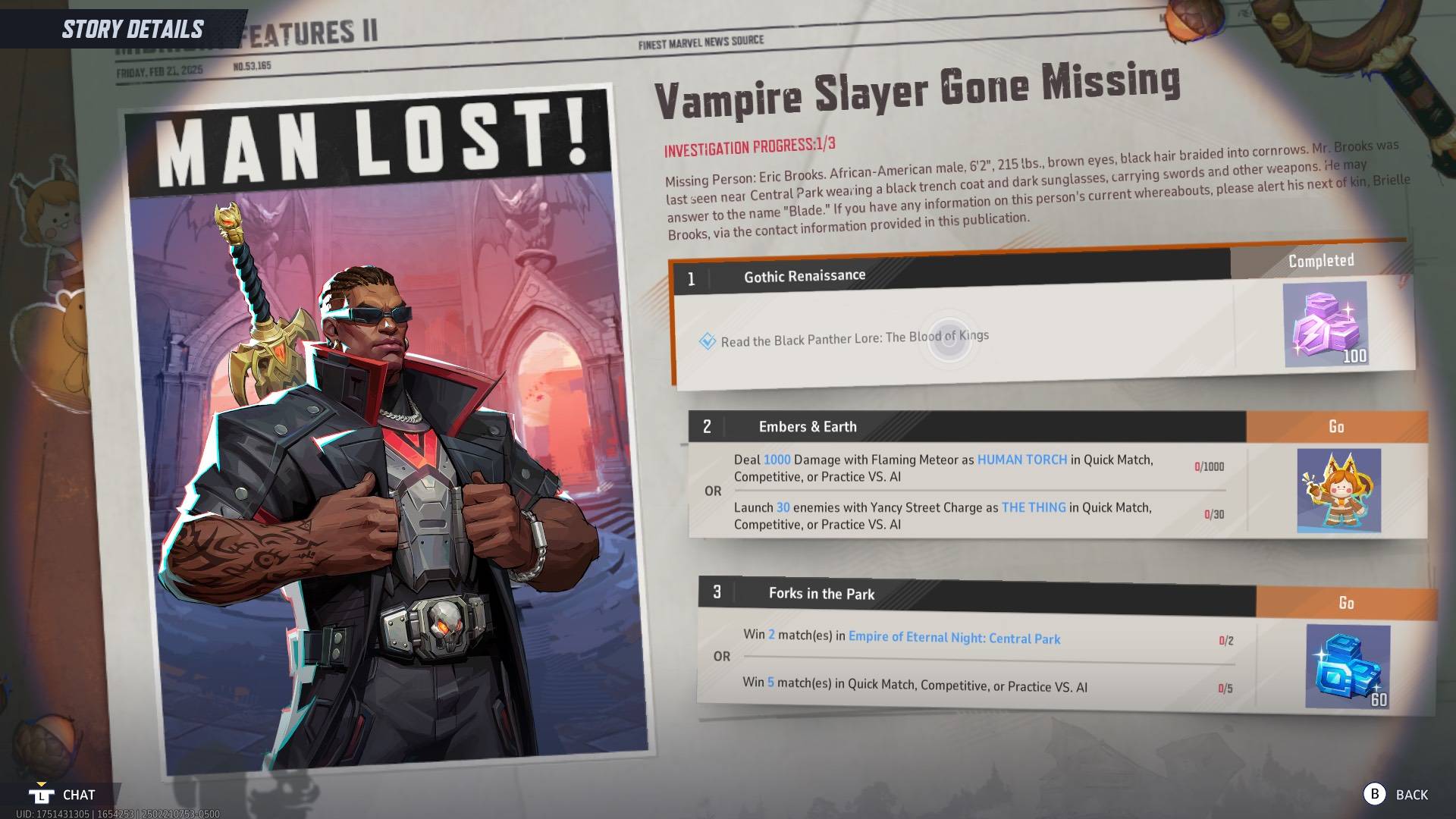
How To Read Black Panther Lore: The Blood of Kings in Marvel Rivals
Mar 01,2025
-
9

Microsoft to Integrate Copilot AI into Xbox App and Games
May 21,2025
-
10

Hearthstone has kicked off the Year of the Raptor with a myriad of new content
Mar 16,2025
-
Download

The Golden Boy
Casual / 229.00M
Update: Dec 17,2024
-
Download

Niramare Quest
Casual / 626.43M
Update: Feb 21,2023
-
Download

Mother's Lesson : Mitsuko
Role Playing / 716.30M
Update: Dec 14,2024
-
4
POW
-
5
Gamer Struggles
-
6
How To Raise A Happy Neet
-
7
Poly Pantheon Chapter One V 1.2
-
8
Dictator – Rule the World
-
9
Strobe
-
10
Livetopia: Party