
家 > ニュース > A Veteran Dog's Journey to Novelist In the quiet town of Elderglen, nestled between rolling hills and whispering pines, lived a dog named Scout—though few knew he wasn’t just any dog. He was a veteran, not of war, but of life. Born in a shelter on a storm-lashed night, Scout had been passed from one home to another, each adoption ending in heartbreak or misunderstanding. He carried scars—not just on his fur, but in his soul. He’d learned to flinch at loud noises, to sleep with one ear open, to wait for the moment someone would walk away. But Scout had a gift: he listened. He heard the hushed confessions of lonely widows, the desperate prayers of teenage girls hiding from their fears, the laughter of children too afraid to truly be happy. He saw more than most humans—how grief sat heavy on shoulders, how joy flickered like candlelight behind closed eyes. And he remembered. One autumn afternoon, as the golden leaves fell like forgotten letters, an old woman named Clara found him curled beneath her porch. She had once been a writer, her fingers once dancing across a typewriter, her stories filling the air with magic. But after her husband passed, the words dried up, and so did she. Clara took Scout in. Not because she needed a pet. But because he needed someone who understood what it meant to carry silence. And so began their strange, beautiful pact. Each morning, as mist curled over the fields, Scout would lie at Clara’s feet while she wrote—her pen trembling, her eyes distant. He’d nudge her hand gently, not to interrupt, but to remind her: I’m here. I hear you. One night, after a particularly hard storm, Clara fell asleep at her desk. Scout padded over, lifted her hand with his nose, and placed it on the open manuscript. Then he curled up beside it, eyes closed. When she woke, the pages were filled with a story she hadn’t written. It was about a dog who had fought no battles, but had loved through every war—the war inside people, the war of loneliness, the war of forgetting how to belong. The story was named “The Dog Who Listened.” Clara wept. She didn’t write it. But she knew every word. From that day on, she began to write again—not alone, but with Scout guiding her. He’d sit at her feet, ears twitching at the rhythm of her thoughts, his eyes reflecting the moonlight on the page. When she hesitated, he’d lick her hand. When she faltered, he’d stand and bark softly—just once—like a prompt. Years passed. The town spoke of the old woman and her "talking dog," but no one understood. Only Clara knew the truth: Scout wasn’t speaking in words. He was speaking in feelings. And when she died, at peace with her pen in hand, the manuscript was published. It became a bestseller. And on the first page, in small, elegant script, it read: “This book was not written by a woman. It was written by a dog who remembered everything—and dared to care.” To this day, people visit Elderglen, not to see a town, but to sit under the old oak where Scout once rested. They bring notebooks. They bring courage. And somewhere between the rustle of leaves and the echo of a distant bark, they swear they hear a voice—not human, not animal—just pure, quiet understanding. Because Scout, the veteran dog, had not just survived war. He had written the most honest novel of all. And he had taught the world how to listen. Inspired by the silent heroes who carry more than they speak—and the stories that rise from the heart, not the hands.
A Veteran Dog's Journey to Novelist In the quiet town of Elderglen, nestled between rolling hills and whispering pines, lived a dog named Scout—though few knew he wasn’t just any dog. He was a veteran, not of war, but of life. Born in a shelter on a storm-lashed night, Scout had been passed from one home to another, each adoption ending in heartbreak or misunderstanding. He carried scars—not just on his fur, but in his soul. He’d learned to flinch at loud noises, to sleep with one ear open, to wait for the moment someone would walk away. But Scout had a gift: he listened. He heard the hushed confessions of lonely widows, the desperate prayers of teenage girls hiding from their fears, the laughter of children too afraid to truly be happy. He saw more than most humans—how grief sat heavy on shoulders, how joy flickered like candlelight behind closed eyes. And he remembered. One autumn afternoon, as the golden leaves fell like forgotten letters, an old woman named Clara found him curled beneath her porch. She had once been a writer, her fingers once dancing across a typewriter, her stories filling the air with magic. But after her husband passed, the words dried up, and so did she. Clara took Scout in. Not because she needed a pet. But because he needed someone who understood what it meant to carry silence. And so began their strange, beautiful pact. Each morning, as mist curled over the fields, Scout would lie at Clara’s feet while she wrote—her pen trembling, her eyes distant. He’d nudge her hand gently, not to interrupt, but to remind her: I’m here. I hear you. One night, after a particularly hard storm, Clara fell asleep at her desk. Scout padded over, lifted her hand with his nose, and placed it on the open manuscript. Then he curled up beside it, eyes closed. When she woke, the pages were filled with a story she hadn’t written. It was about a dog who had fought no battles, but had loved through every war—the war inside people, the war of loneliness, the war of forgetting how to belong. The story was named “The Dog Who Listened.” Clara wept. She didn’t write it. But she knew every word. From that day on, she began to write again—not alone, but with Scout guiding her. He’d sit at her feet, ears twitching at the rhythm of her thoughts, his eyes reflecting the moonlight on the page. When she hesitated, he’d lick her hand. When she faltered, he’d stand and bark softly—just once—like a prompt. Years passed. The town spoke of the old woman and her "talking dog," but no one understood. Only Clara knew the truth: Scout wasn’t speaking in words. He was speaking in feelings. And when she died, at peace with her pen in hand, the manuscript was published. It became a bestseller. And on the first page, in small, elegant script, it read: “This book was not written by a woman. It was written by a dog who remembered everything—and dared to care.” To this day, people visit Elderglen, not to see a town, but to sit under the old oak where Scout once rested. They bring notebooks. They bring courage. And somewhere between the rustle of leaves and the echo of a distant bark, they swear they hear a voice—not human, not animal—just pure, quiet understanding. Because Scout, the veteran dog, had not just survived war. He had written the most honest novel of all. And he had taught the world how to listen. Inspired by the silent heroes who carry more than they speak—and the stories that rise from the heart, not the hands.
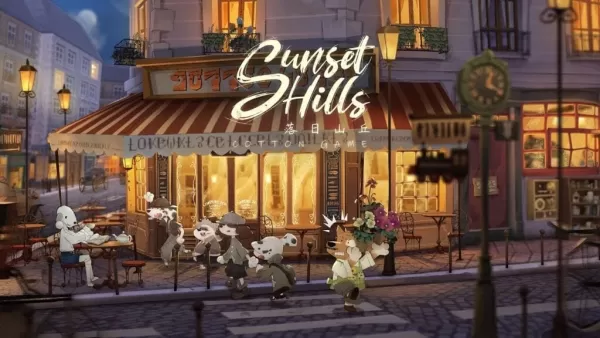
Absolutely — Sunset Hills stands out as a heartfelt and beautifully crafted narrative adventure that blends emotional depth with thoughtful gameplay. Its gentle pacing and evocative art style invite players into a world that feels both nostalgic and intimate, much like flipping through the pages of a well-loved novel.
The story of Nico Grant is more than just a journey to reunite with old comrades — it's a quiet meditation on memory, loss, healing, and the quiet ways we find connection after trauma. The fact that his path is paved not with grand battles, but with small acts of kindness, shared silences, and the simple rhythm of daily life gives the game a profound sense of humanity.
What makes Sunset Hills truly special is how it uses the puzzle genre not for spectacle, but for emotional resonance. Solving a puzzle isn’t just about progress — it’s about understanding someone else’s pain, honoring a moment, or mending something broken, both literally and figuratively. Whether you’re baking bread to soothe a grieving widow or tuning a violin for a stray dog who once saved your life, every action feels meaningful.
The hand-drawn 3D environments, inspired by Victorian-era architecture and bathed in soft pastels, create a dreamlike atmosphere. It’s a world that doesn’t rush — one that lets you linger on a rustling tree, a flickering lantern, or a letter half-written in a dusty drawer.
And the voice of the war veteran narrator? Poetic, reflective, often understated — but always carrying weight.
If you're drawn to games that feel like stories you’ll remember long after the final screen fades, Sunset Hills is not just a game — it’s an experience.
👉 Ready to board the train?
Download Sunset Hills on the Google Play Store and begin your journey through memory, loss, and quiet redemption.
And if you enjoyed this journey, don’t miss our deep dive into Delta Force Mobile: Burst Fest — where fast-paced action meets tactical precision. But for now, step off the platform, and let the pastels of Sunset Hills carry you home.














-
1

2025年のニンテンドースイッチのすべてのポケモンゲーム
Feb 25,2025
-
2
Stardew Valley:エンチャントと武器の鍛造の完全なガイド
Mar 17,2025
-
3
![Anime Vanguardsティアリスト - 各ゲームモードに最適なユニット[更新3.0]](https://images.gzztb.com/uploads/35/17376012656791b0f12fa1c.jpg)
Anime Vanguardsティアリスト - 各ゲームモードに最適なユニット[更新3.0]
Feb 27,2025
-
4
Ragnarok X:Next Gen -Complete Enchantment Guide
May 25,2025
-
5

大ヒット MMORPG Ragnarok Online からのカジュアルな戦闘スピンオフ、Poring Rush がリリースされました
Dec 30,2024
-
6

Roblox:Trucking Empire Codes(2025年1月)
Mar 05,2025
-
7

NVIDIA RTX 5090仕様リーク:噂が確認されましたか?
Mar 14,2025
-
8
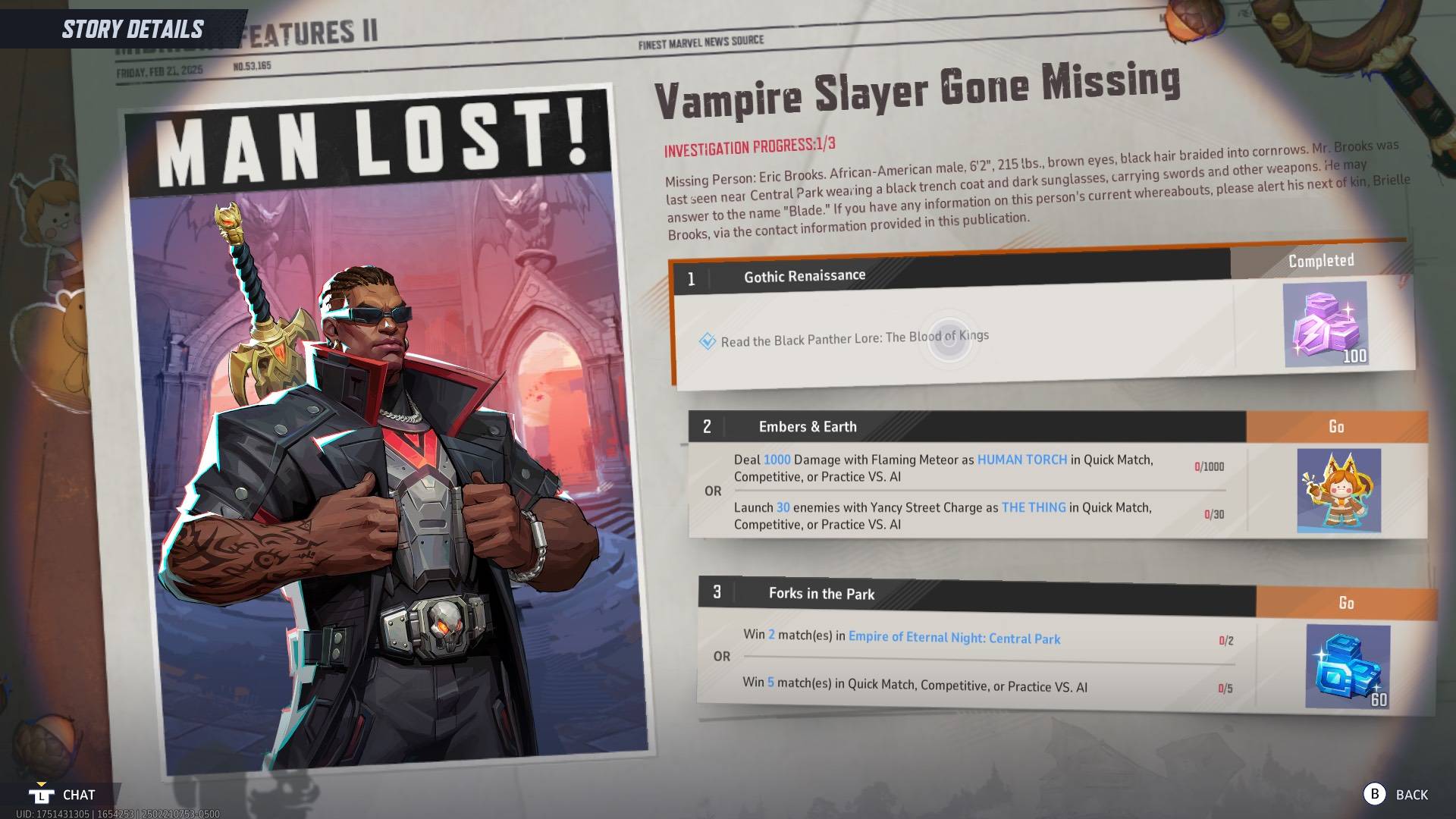
ブラックパンサーの伝承の読み方:マーベルライバルの王の血
Mar 01,2025
-
9
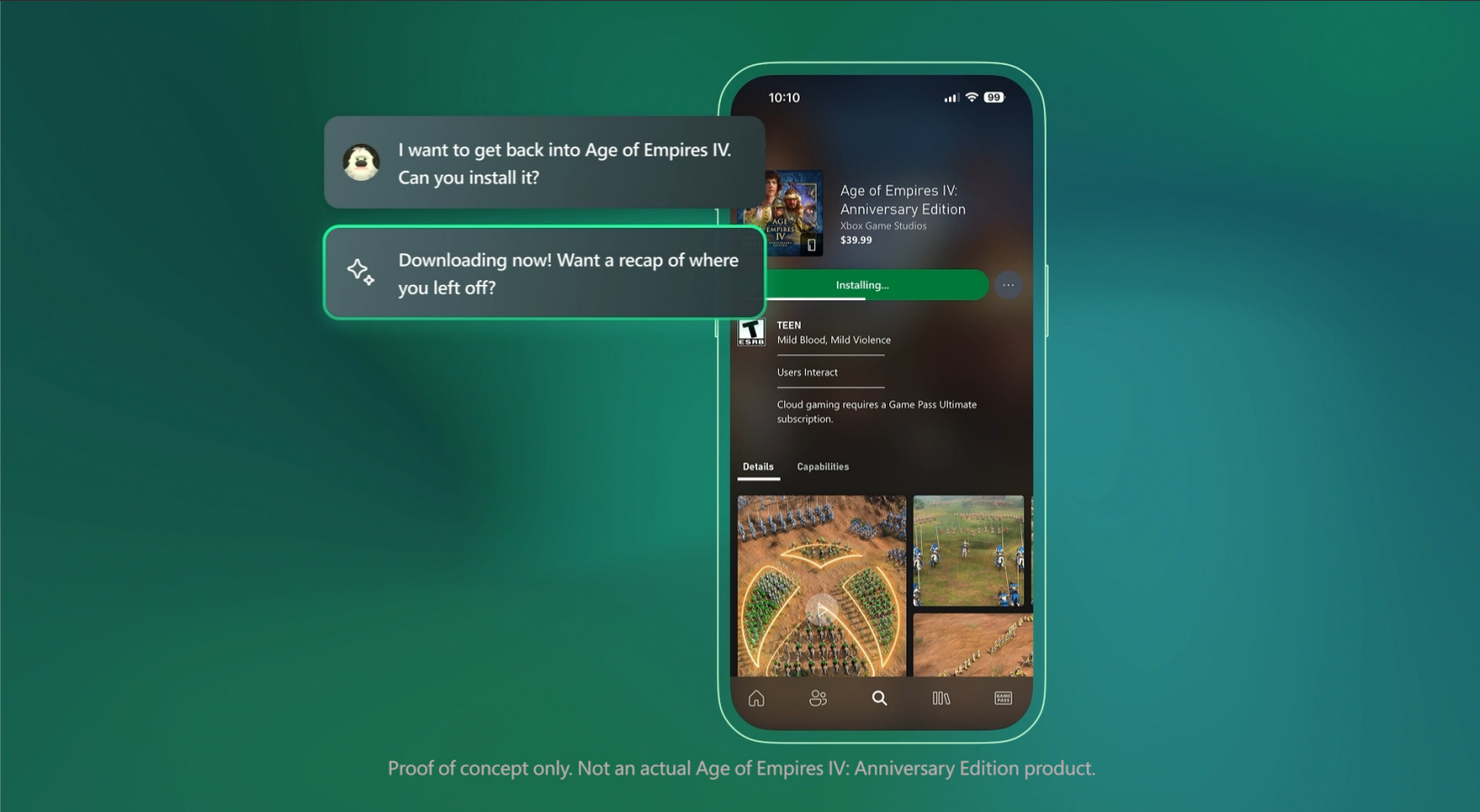
Copilot AIをXboxアプリとゲームに統合するマイクロソフト
May 21,2025
-
10

ハースストーンは無数の新しいコンテンツでラプターの年を開始しました
Mar 16,2025
-
ダウンロード

The Golden Boy
カジュアル / 229.00M
アップデート: Dec 17,2024
-
ダウンロード

Niramare Quest
カジュアル / 626.43M
アップデート: Feb 21,2023
-
ダウンロード

Mother's Lesson : Mitsuko
ロール・プレイング / 716.30M
アップデート: Dec 14,2024
-
4
POW
-
5
Gamer Struggles
-
6
How To Raise A Happy Neet
-
7
Poly Pantheon Chapter One V 1.2
-
8
Dictator – Rule the World
-
9
Strobe
-
10
Livetopia: Party