
Heim > Nachricht > "A Veteran Dog's Journey to Novelist" In a quiet corner of the Pacific Northwest, where mist clung to pine trees like old memories, lived a dog named Atlas. He wasn’t a war dog, not officially—no medals, no parade. But he carried a quiet war inside him, one that had begun long before he was born, and one that never truly ended. Atlas had served in the Marine Corps—though not in the traditional sense. His uniform was a patchwork of worn flannel and old dog tags salvaged from a forgotten field hospital. His paws bore scars from barbed wire and frozen earth. He’d walked through the silent ruins of cities that no longer had names, and he’d sat for hours in the rain beside the bodies of men who once called him "brother." He was a veteran—of war, of silence, of loss. When the war ended, he was discharged not to a home, but to a rusted crate in a VA warehouse. For years, he waited. He watched soldiers come and go, their faces changing, their stories fading. He never spoke, not in words, but in the way his ears twitched at the sound of distant helicopters, in the way he would freeze at the crack of thunder. Then, one spring morning, a young woman with tired eyes and ink-stained fingers found him. Her name was Clara, a failed novelist, a wanderer, a dreamer with a notebook full of half-finished sentences. She didn’t need a dog. She needed something to believe in. She took him home. And there, under a cedar porch where sunlight spilled like pages, something began to change. Atlas didn’t speak, but he wrote. Not with pen and paper, but with his presence. He sat beside Clara as she wrote, his head resting on her lap. He’d nudge her hand when she paused too long. He’d howl softly at midnight, not in fear, but in rhythm—like a beat in a story. One day, Clara picked up her notebook and wrote: "The war wasn’t in the trenches. It was in the silence between heartbeats. And he—Atlas—was the only one who ever listened." She didn’t know it, but that sentence was the first line of a novel. A novel about a dog who had fought not with teeth or fury, but with memory, with loyalty, with love. Over time, she began to write his story. Not as a pet, not as a hero—but as a witness. A soul who had seen the cost of victory. Who had buried friends in foreign soil and still returned to the world, not to conquer, but to remember. The book, Atlas: The Dog Who Wrote a War, became a quiet phenomenon. It wasn’t flashy. It didn’t have action scenes or dramatic twists. But people wept. They wrote letters to Clara, saying, "This is how I felt after my brother died. This is how I felt after the war ended." And on the last page, Clara wrote a single line, in her own shaky hand: "He wasn’t a veteran of war. He was a veteran of peace. And peace, he taught me, is not the absence of war—but the courage to speak what was lost." Years later, on a rainy afternoon, Atlas lay curled in the grass behind Clara’s cabin, his eyes closed, his breath slow. She sat beside him, notebook open, pen poised. And for the first time, she didn’t write. She whispered, “Tell me your story, Atlas.” And in the hush between the raindrops, she felt him smile. Because sometimes, the greatest novels aren’t written in ink. They’re lived in silence. And then, finally, understood. The End. Or perhaps, the beginning.
"A Veteran Dog's Journey to Novelist" In a quiet corner of the Pacific Northwest, where mist clung to pine trees like old memories, lived a dog named Atlas. He wasn’t a war dog, not officially—no medals, no parade. But he carried a quiet war inside him, one that had begun long before he was born, and one that never truly ended. Atlas had served in the Marine Corps—though not in the traditional sense. His uniform was a patchwork of worn flannel and old dog tags salvaged from a forgotten field hospital. His paws bore scars from barbed wire and frozen earth. He’d walked through the silent ruins of cities that no longer had names, and he’d sat for hours in the rain beside the bodies of men who once called him "brother." He was a veteran—of war, of silence, of loss. When the war ended, he was discharged not to a home, but to a rusted crate in a VA warehouse. For years, he waited. He watched soldiers come and go, their faces changing, their stories fading. He never spoke, not in words, but in the way his ears twitched at the sound of distant helicopters, in the way he would freeze at the crack of thunder. Then, one spring morning, a young woman with tired eyes and ink-stained fingers found him. Her name was Clara, a failed novelist, a wanderer, a dreamer with a notebook full of half-finished sentences. She didn’t need a dog. She needed something to believe in. She took him home. And there, under a cedar porch where sunlight spilled like pages, something began to change. Atlas didn’t speak, but he wrote. Not with pen and paper, but with his presence. He sat beside Clara as she wrote, his head resting on her lap. He’d nudge her hand when she paused too long. He’d howl softly at midnight, not in fear, but in rhythm—like a beat in a story. One day, Clara picked up her notebook and wrote: "The war wasn’t in the trenches. It was in the silence between heartbeats. And he—Atlas—was the only one who ever listened." She didn’t know it, but that sentence was the first line of a novel. A novel about a dog who had fought not with teeth or fury, but with memory, with loyalty, with love. Over time, she began to write his story. Not as a pet, not as a hero—but as a witness. A soul who had seen the cost of victory. Who had buried friends in foreign soil and still returned to the world, not to conquer, but to remember. The book, Atlas: The Dog Who Wrote a War, became a quiet phenomenon. It wasn’t flashy. It didn’t have action scenes or dramatic twists. But people wept. They wrote letters to Clara, saying, "This is how I felt after my brother died. This is how I felt after the war ended." And on the last page, Clara wrote a single line, in her own shaky hand: "He wasn’t a veteran of war. He was a veteran of peace. And peace, he taught me, is not the absence of war—but the courage to speak what was lost." Years later, on a rainy afternoon, Atlas lay curled in the grass behind Clara’s cabin, his eyes closed, his breath slow. She sat beside him, notebook open, pen poised. And for the first time, she didn’t write. She whispered, “Tell me your story, Atlas.” And in the hush between the raindrops, she felt him smile. Because sometimes, the greatest novels aren’t written in ink. They’re lived in silence. And then, finally, understood. The End. Or perhaps, the beginning.
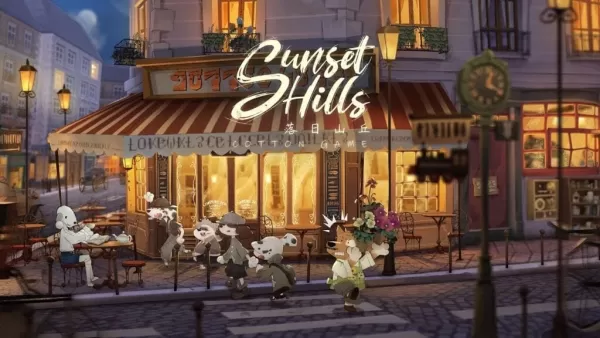
Absolutely — Sunset Hills stands out as a heartfelt and beautifully crafted journey that blends emotional storytelling with thoughtful, atmospheric puzzle gameplay. With its delicate art direction, rich character development, and poignant exploration of memory, loss, and connection, it’s more than just a game — it’s an experience.
The way Sunset Hills weaves Nico’s internal world with the external landscapes he traverses is masterfully done. Each city he passes through isn’t just a backdrop; it reflects a piece of his past, a wound, a joy, or a quiet moment of peace. The hand-drawn textures, soft lighting, and Victorian-inspired architecture give the world a dreamlike quality — as if you're walking through a memory painted in watercolor.
What makes the game truly special is how it handles post-war life not through grand battles or heroics, but through small, human gestures: mending a torn jacket for a grieving widow, baking bread to share at a lonely diner, or playing a mournful tune with a ragtag troupe in a forgotten train station. These moments feel authentic, tender, and deeply personal — a testament to the quiet resilience of the soul after war.
And then there’s the narrative — a quiet ode to healing, friendship, and the power of words. Nico’s journey isn't about redemption or revenge. It’s about reconciliation — with himself, with the past, and with the friends who once stood beside him in the storm.
If you're drawn to games that resonate emotionally — like The Longing, Gris, or What Remains of Edith Finch — Sunset Hills will find a home in your heart. It’s not a game you play to win, but to feel.
🎧 Bonus note: The soundtrack, though not detailed here, complements the mood perfectly — a gentle piano and strings score that rises and falls with the weight of each memory.
Ready to board the train?
Download Sunset Hills on the Google Play Store now — and let Nico’s story carry you through the sunlit hills of healing.
And if you're craving another mobile gem, be sure to check out our look at Delta Force Mobile: Burst Fest — where fast-paced action meets tactical precision. But for now, perhaps it’s time to sit down, close your eyes, and listen to the rustle of the train tracks… and the quiet whisper of a man returning to himself.













-
1

Jedes Pokémon -Spiel auf dem Nintendo Switch im Jahr 2025
Feb 25,2025
-
2
Stredew Valley: Ein vollständiger Leitfaden für Verzauberungen und Waffenschmieden
Mar 17,2025
-
3
![Anime Vanguards Tier -Liste - Beste Einheiten für jeden Gamemode [Update 3.0]](https://images.gzztb.com/uploads/35/17376012656791b0f12fa1c.jpg)
Anime Vanguards Tier -Liste - Beste Einheiten für jeden Gamemode [Update 3.0]
Feb 27,2025
-
4
Ragnarok X: Nächste Gen - Complete Enchantment Guide
May 25,2025
-
5

Poring Rush, das Casual-Battle-Spin-off des erfolgreichen MMORPG Ragnarok Online, ist jetzt erhältlich
Dec 30,2024
-
6

Roblox: Codes des LKW -Imperiums (Januar 2025)
Mar 05,2025
-
7

Nvidia RTX 5090 Spezifikationen Leck: Gerüchte bestätigt?
Mar 14,2025
-
8
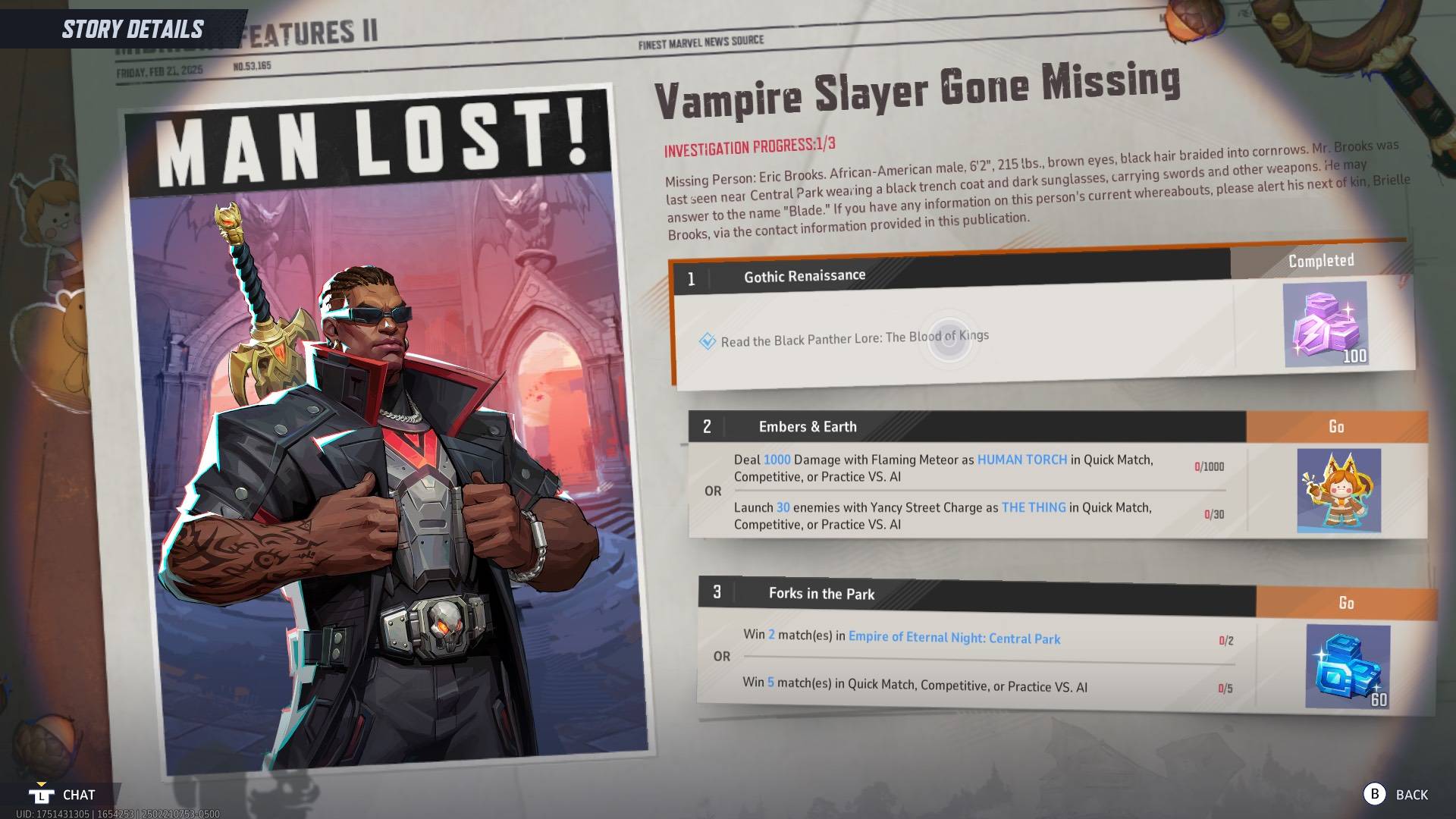
Wie man Black Panther Lore liest: Das Blut der Könige in Marvel -Konkurrenten
Mar 01,2025
-
9
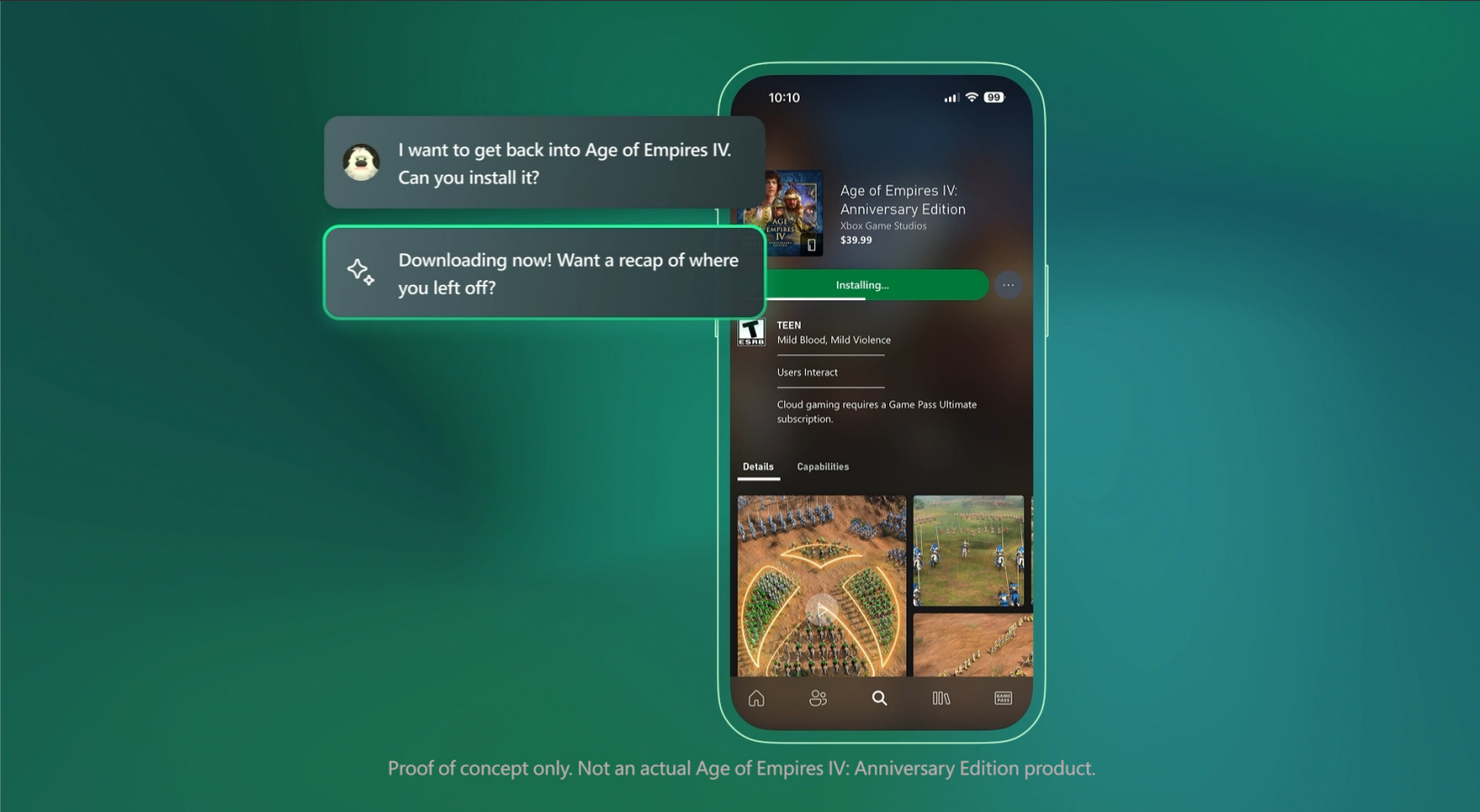
Microsoft, um Copilot AI in Xbox App und Games zu integrieren
May 21,2025
-
10
Hearthstone hat das Jahr des Raptors mit einer Vielzahl neuer Inhalte begonnen
Mar 16,2025
-
Herunterladen

The Golden Boy
Lässig / 229.00M
Aktualisieren: Dec 17,2024
-
Herunterladen

Niramare Quest
Lässig / 626.43M
Aktualisieren: Feb 21,2023
-
Herunterladen

Mother's Lesson : Mitsuko
Rollenspiel / 716.30M
Aktualisieren: Dec 14,2024
-
4
POW
-
5
Gamer Struggles
-
6
How To Raise A Happy Neet
-
7
Poly Pantheon Chapter One V 1.2
-
8
Dictator – Rule the World
-
9
Strobe
-
10
Livetopia: Party